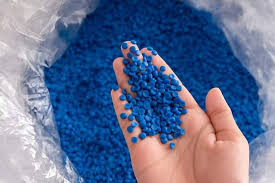
In a world increasingly conscious of its environmental footprint, recycled materials are gaining prominence. One standout in the realm of sustainable practices is recycled High-Density Polyethylene (HDPE). This versatile plastic, commonly used in products like milk jugs and detergent bottles, is now being championed for its eco-friendly potential. But what makes Recycle HDPE so significant, and how can individuals contribute to its positive impact?
Understanding Recycled HDPE’s Environmental Edge
Recycling HDPE offers substantial environmental benefits that go beyond merely reducing landfill waste. One of the most compelling statistics is that recycling HDPE can reduce carbon dioxide emissions by up to 70% compared to producing new plastic. This reduction is crucial in the fight against climate change, as CO2 is a leading greenhouse gas contributing to global warming.
Additionally, recycled HDPE requires about 88% less energy to produce than virgin plastic. This energy efficiency translates into fewer fossil fuels burned and less pollution generated. By choosing products made from recycled HDPE, consumers can indirectly support practices that promote energy conservation and reduce the carbon footprint of manufacturing processes.
Recycled HDPE Reduces Landfill Overflow
The issue of overflowing landfills is a growing concern worldwide. In the United States alone, over 35 million tons of plastic waste are generated each year, with only about 9% being recycled. By incorporating more recycled HDPE into production chains, companies can play a pivotal role in diverting waste from landfills.
This diversion not only conserves valuable landfill space but also reduces the harmful leachate that can contaminate soil and groundwater. Encouragingly, products made from recycled HDPE are increasingly finding their way into everyday items, from park benches to household containers, offering practical solutions to reduce plastic waste.
Promoting Sustainable Practices Through Recycled HDPE
Recycled HDPE isn’t just about reducing waste—it’s about fostering a culture of sustainability. By supporting companies and products that prioritize recycled materials, consumers send a powerful message about the demand for environmentally friendly practices. This consumer-driven demand can incentivize businesses to invest more in recycling technologies and sustainable product lines.
Furthermore, communities that promote the use of recycled HDPE often see economic benefits. The recycling industry supports jobs in collection, sorting, and processing, contributing to local economies. Choosing recycled materials can thus be a win-win for both the environment and the economy.
How You Can Contribute to the Recycled HDPE Movement
Individuals have the power to drive change by making conscious choices in their daily lives. Start by checking product labels for recycled content, particularly HDPE, and choose these options whenever possible. Participating in local recycling programs and advocating for better recycling infrastructure in your community can also make a significant difference.
Educating others on the benefits of recycled HDPE can amplify your impact. Share information on social media, host awareness events, or engage in conversations about sustainability. Each action, no matter how small, contributes to a larger movement towards a more sustainable future.
In Conclusion Building a Sustainable Future with Recycled HDPE
Recycled HDPE represents a key piece in the puzzle of sustainability. By reducing emissions, conserving energy, and minimizing landfill waste, it offers tangible benefits that align with global environmental goals. As individuals and communities recognize and act on these benefits, the collective impact can lead to significant positive change. Together, by choosing recycled HDPE, we can steer our planet toward a greener, more sustainable future.